
Half a Million Batteries Later: Australia Is Entering the Age of Energy Independence
For decades, Australians have relied on a centralised electricity grid to power their homes. When the grid worked, we barely noticed it. When it failed, we reached for torches, packed into shopping centres, or sat in our cars running the air conditioning while waiting for the lights to come back on.
But something fundamental is changing.
Australia has now installed more than 507,651 home batteries under the Federal Government's Cheaper Home Batteries Program since July 2025, a remarkable milestone that signals a shift in how Australians think about energy. This is no longer simply a conversation about reducing electricity bills. It is about resilience, self-sufficiency and energy independence.
At the same time, Australians continue to embrace rooftop solar in record numbers. According to the Clean Energy Council, more than four million Australian homes and businesses now have solar installed, while more than 300,000 rooftop solar systems were added in 2024 alone. Rooftop solar now contributes a growing share of Australia's electricity generation, saving households billions of dollars annually.
The timing could not be more important.
The Coming Summer Could Be One of Australia's Toughest Energy Tests Yet
The warning signs are already flashing.
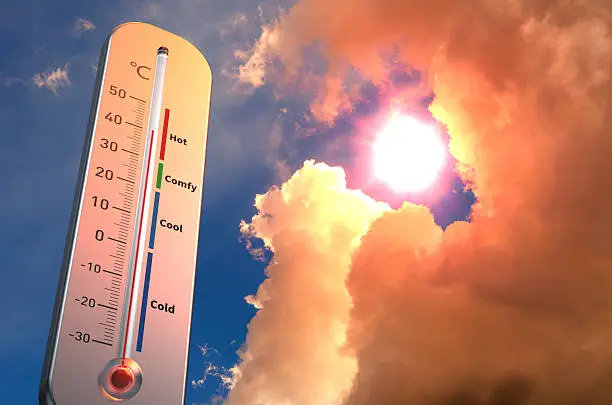
According to the Bureau of Meteorology, the current El Niño is forecast to become the strongest event on record, surpassing previous events dating back to 1950. Forecast modelling suggests sea surface temperature anomalies in the tropical Pacific could exceed anything observed in modern records.
Why does that matter?
Because El Niño isn't simply a weather pattern. It is one of the most powerful climate drivers on Earth, influencing rainfall, drought, bushfire conditions and temperature extremes across Australia. The Bureau of Meteorology warns that El Niño can increase the likelihood of hotter conditions across Australia, while climate change is simultaneously increasing the frequency and severity of extreme heat events. Together, these forces create a compounding effect that places enormous pressure on households, businesses and critical infrastructure.
Meteorologists are already warning that Australia could face a summer that challenges historical temperature records. ABC News meteorologist Tom Saunders reported that the current event has the potential to become the strongest El Niño ever observed, raising the prospect of record-breaking heat, elevated bushfire risk and widespread strain on energy networks.
For energy consumers, the implications are significant.
As temperatures rise, electricity demand rises with them. Millions of air conditioners operate simultaneously, pushing electricity networks towards peak capacity. This creates exactly the conditions that can lead to network congestion, higher wholesale electricity costs and increased vulnerability to outages. During prolonged heatwaves, electricity infrastructure is often under its greatest stress precisely when Australians depend on it most.
The uncomfortable reality is that Australians are becoming increasingly dependent on electricity for comfort, communication, refrigeration, medical equipment and remote work, while the climate conditions that challenge grid reliability are becoming more severe.
That is why energy independence is moving from a financial decision to a resilience strategy.
Solar Alone Was Step One. Batteries Are Step Two.
Australia's solar success story is already well known.
Millions of households have installed solar panels to reduce electricity bills and take control of rising energy costs. But solar generation peaks during daylight hours, often when many households are using only a fraction of the energy being produced.
For years, that excess solar has simply been exported back to the grid.
A battery fundamentally changes that equation.
Instead of sending surplus power back to the grid for increasingly modest feed-in tariffs, homeowners can store their own solar energy and use it later when electricity prices are higher and their homes need power most. According to the Clean Energy Council, rooftop solar saves the average Australian household around $1,500 every year, with those savings potentially almost doubling when paired with battery storage.
More importantly, homeowners gain control over when and how their energy is used.
The ability to generate, store and consume your own electricity is transforming homes from passive energy users into active energy producers.
Energy Security Is Becoming Personal
Historically, energy security was something governments and utilities worried about.
Today, it is becoming a household issue.
Rising energy costs, extreme weather events and concerns about grid reliability are causing Australians to rethink their relationship with electricity. The installation of more than half a million batteries in just over a year demonstrates that households are increasingly taking responsibility for their own energy future.
Many homeowners are no longer asking:
"How much can I save?"
They're asking:
"What happens if the grid goes down?"
Blackout Protection Changes Everything
One of the most significant but often overlooked benefits of a solar and battery system is blackout protection.
When equipped with backup functionality, a battery can continue supplying power to essential circuits during a grid outage. Refrigerators stay running. Lights remain on. Internet connectivity can continue. Families can remain comfortable and connected while neighbouring homes sit in darkness.
This is particularly important during extreme heat events.
Anyone who has experienced a summer blackout knows what happens next. Roads become congested. Shopping centres fill up. Petrol stations see queues. Families leave their homes seeking relief from the heat, often sitting in vehicles with the air conditioning running simply to remain comfortable.
A home with solar, battery storage and blackout protection offers a completely different experience.
Instead of joining the traffic jam looking for somewhere cool to wait out an outage, families can stay safely in the comfort of their own home.
That is not just convenience.
That is resilience.
Australians Are Leading the Way
The rapid uptake of batteries demonstrates that Australians understand this shift.
More than 507,651 battery installations under the Cheaper Home Batteries Program have helped create approximately 14 gigawatt-hours of distributed battery storage capacity across the country, allowing households to capture and use more of their own renewable energy.
This level of adoption would have seemed unimaginable only a few years ago.
Yet Australians have consistently shown they are willing to embrace technologies that deliver practical value. Rooftop solar became one of the nation's great consumer success stories because it helped families take control of their energy costs. Batteries are now emerging as the logical next step because they help households take control of their energy security.
As conflict around the world, fuel price volatility and continued pressure on household budgets create uncertainty, Australians are increasingly choosing certainty. They're generating their own electricity, storing their own power and reducing reliance on factors outside their control.
The Window to Prepare Is Closing
The strongest El Niño on record won't wait for homeowners to get organised.
Forecasts pointing to extreme heat, elevated electricity demand and increased pressure on the grid should serve as a warning to act now, not later.
What many homeowners don't realise is that demand for solar and battery installations typically surges ahead of summer. As more Australians move to take advantage of battery incentives and prepare for hotter conditions, installation pipelines continue to grow.
With many solar and battery projects now requiring 2 to 3 months from consultation through to installation, waiting until the first major heatwave arrives could mean missing the opportunity to have a system operational when it matters most.
More than 507,651 Australians have already installed a battery under the Cheaper Home Batteries Program. They aren't waiting for the next blackout, the next electricity price increase or the next extreme weather event.
They're preparing now.
The question is simple:
Will your home be ready for summer, or will you be hoping the grid is?
A solar and battery system allows you to:
- Generate your own power
- Store excess solar energy for evening use
- Reduce dependence on rising electricity prices
- Protect critical appliances during outages with blackout backup
- Stay comfortable at home during extreme weather events
- Take control of your household's long-term energy future
The strongest El Niño in recorded history isn't just a climate headline.
It's a reminder that resilience is built before it's needed.
Get Started Today
With solar installation lead times now extending to 2 to 3 months in many areas, there has never been a better time to secure your solar and battery system with Solargain.
As one of Australia's most trusted solar providers, Solargain has helped thousands of homeowners take control of their energy costs with quality systems, expert installation, and ongoing support. That's why more Australians choose Solargain when they're looking for a solar partner they can rely on for the long term.
Complete the form below for a free energy assessment with our expert consultants and discover how much you could save while helping protect your home against whatever this summer brings.
Because when the next heatwave arrives, the best place to be is not waiting for an installation appointment not in a traffic jam and not hoping the power comes back on.
It's in a home that's already prepared.
