
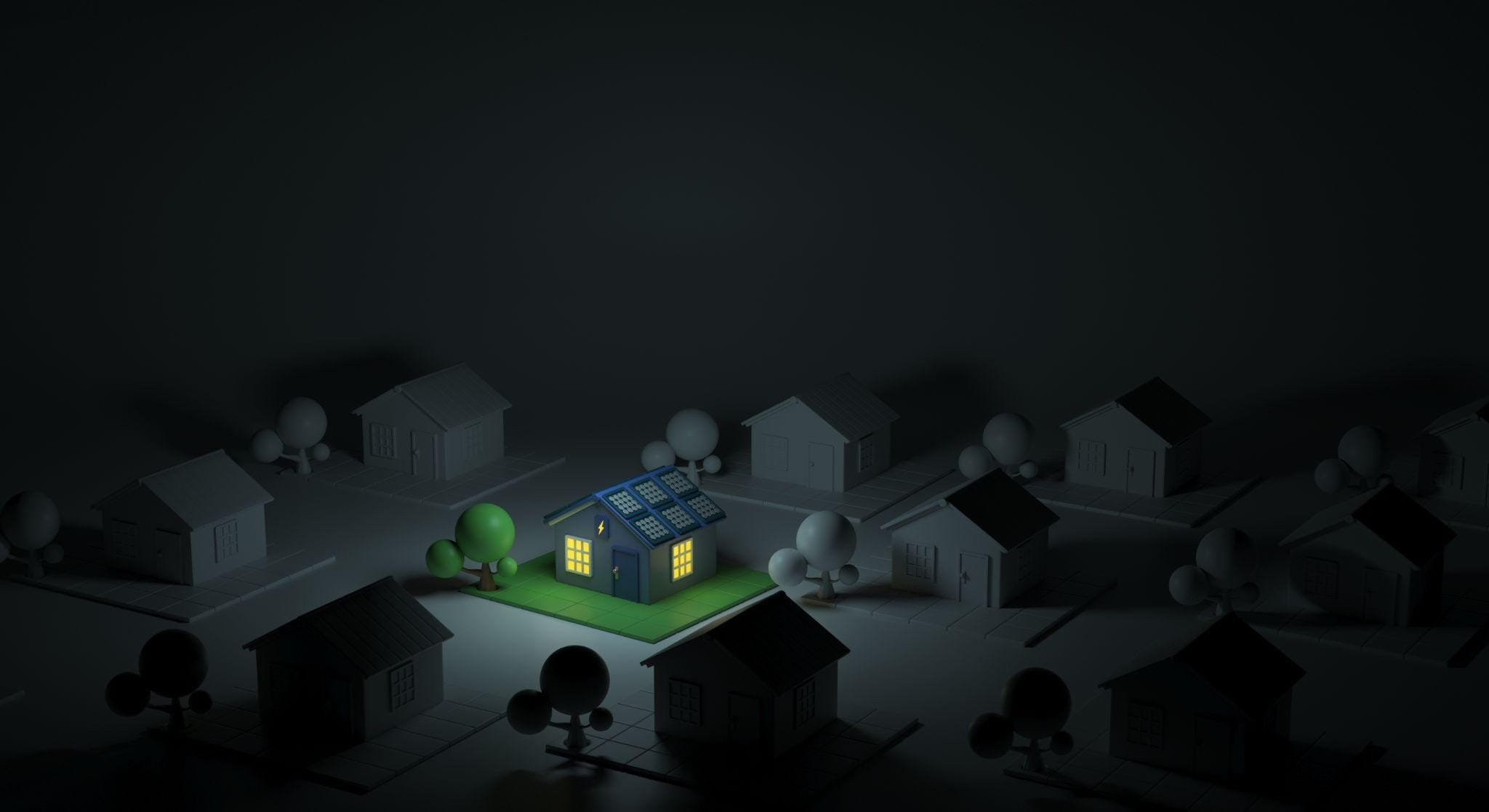
Blackout Protection 101: What Happens to Solar Panels During a Power Outage?
If you live in Queensland or along the east coast, you know all too well how it goes when a nasty storm rolls through: the rain falls, thunder booms, and BANG!... the lights go out, your air con stalls, and your neighbours all start reaching for their torches. But your house has solar panels installed on the rooftop, so surely they can keep the power running while the sun is still shining, right?
If you have a standard grid-connected solar system, your panels will generally shut down during a power outage, even if they’re still receiving plenty of sunlight. The good news, though? With the right equipment and system configuration, you can use solar energy to keep essential appliances running when the grid goes down.
So, do solar panels work during a power outage, and what can you do to keep your home powered during a blackout? Here’s everything you need to know!
Do Solar Panels Work in a Blackout?
For most households with a standard grid-connected solar system, the answer is no.
Your solar panels can continue receiving sunlight during a blackout, but that doesn’t mean they’ll always keep supplying electricity to your home. Most grid-connected systems are designed to shut down automatically when the electricity network loses power, a safety feature known as anti-islanding. This prevents your solar system from sending electricity to the grid when the grid is down, which is helpful while power line workers repair damaged equipment.
When the grid goes down during a power outage, a standard grid-connected inverter detects the interruption and disconnects from the grid. This prevents electricity from flowing back into power lines and also helps protect your electrical equipment from further issues caused by an unstable network.
In other words, even though your solar panels aren’t operational during a blackout, they aren’t necessarily broken. They’re just shut down, and doing exactly what they were designed to do.
Why Does Solar Shut Off During a Power Outage?
To understand why solar shuts off during a power outage, it helps to know how a typical grid-connected system works. Here is how most normal solar panels operate:
- Your solar panels capture sunlight and generate direct current (DC) electricity.
- Your solar inverter converts that electricity into alternating current (AC) for use with household appliances.
- Your home uses the electricity it needs, while excess energy can be exported from your solar battery to the grid.
It’s important to remember that having solar panels doesn’t automatically mean you have blackout protection! Your system needs the right equipment and configuration to operate safely when the grid is unavailable.
Can Solar Power Your House During a Blackout?
Technically, yes, solar power can power your house during a blackout, but your system needs to be designed for it. This depends on whether you have suitable solar battery storage, an inverter that can operate independently of the grid, and the necessary backup configuration. A properly configured solar and battery system can disconnect from the electrical grid and supply power to your home, a process called islanding.
But not every battery automatically provides blackout protection. Some systems store electricity for nighttime use but still shut down during a grid outage. Depending on the equipment and installation, you may be able to power selected essential circuits or provide backup electricity to a larger portion of your property. That’s why it’s important to tell your solar installer that backup power is a priority when choosing your system.
How solar battery storage provides blackout protection
A solar battery storage system lets you store excess electricity generated during the day and use it when your panels aren’t producing enough power, such as at night. With suitable backup functionality, that stored energy can also help keep your home running during a blackout. This means you could keep selected appliances running without relying on the grid, even when the outage lasts beyond daylight hours.
Here’s how it generally works for most home solar systems:
✅ During the day: Your solar panels generate electricity, powering your home and charging the battery with available excess energy.
✅ When the grid goes down: The system disconnects from the grid and switches to its backup operating mode, if configured to do so.
✅ During an outage: Your battery supplies electricity to the connected backup circuits.
✅ When sunlight is available: Some compatible systems can continue generating electricity and recharge the battery all while powering connected loads.
The amount of power available depends on your battery’s stored energy, output capacity, solar generation and system configuration. Additional installations, such as a blackout-protection backup box, can also help keep your system running during an outage. You can learn more about battery storage and how it can support your household’s energy needs.
Which Appliances Can You Run During a Blackout?
Some appliances may run safely during a blackout thanks to reserve energy, but which ones can depend on how your system is designed. Some installations provide backup power to selected essential circuits, while others may support a much larger proportion of the home. If you’re prioritising essential appliances, consider what your household actually needs during an outage.
Which Appliances Can You Run During a Blackout? | |
Appliance or system | What to consider |
Lights | Visibility during blackouts; LED lighting generally uses relatively little electricity. |
Fridge and freezer | Important for keeping food cold; compressors draw power when starting. |
Internet router | Useful for staying connected, as long as internet service remains available. |
Phone chargers | Relatively low energy consumption, making them practical backup loads. |
Air conditioning | Can use substantial power, particularly at first and during extended runs. |
Electric cooking appliances | May require more power than a smaller backup system can comfortably supply. |
A battery has a finite amount of stored energy. Running several high-powered appliances simultaneously can drain it quickly or exceed the system’s output capacity. If reliable backup power matters to you, be sure to discuss this with your local installer before choosing a battery.
Keep Your Home Powered During Outages with Solargain
So, do solar panels work during a power outage? They can, though usually not on their own. Standard systems shut down for safety reasons, but a professionally installed and configured solar and battery system can provide backup electricity even when the grid fails.
If you’re tired of being left in the dark during unexpected outages, now is a good time to explore your solar solution options! Solargain can help you assess your existing solar system, understand your backup requirements, and find a battery solution suited to your home.
Get in touch with the team today to discuss your solar battery storage and blackout protection options, so you can keep the lights on when you need them most!
