
Queensland’s climate is world famous for its sunshine, but it is also known for high humidity, heavy rainfall, and coastal air. If you’re a homeowner who is new to investing in solar solutions, it's natural to ask whether humidity can damage solar panels.
The short, short answer is no; humidity does not damage solar panels. But the long answer is… in a way, yes, it can.
Humidity does not damage solar panels when your system is properly designed, installed, and maintained. However, prolonged exposure to moisture, salt air, and extreme weather conditions can impact performance over time if lower-quality components and shoddy installation methods are used.
In this guide, we’ll break down how humidity can affect solar panels in Queensland, what risks to look out for, and how to protect your investment.
Understanding Queensland’s Famous Humidity
Queensland experiences some of the highest average humidity levels in Australia, particularly in coastal regions like Brisbane, the Gold Coast, and the Sunshine Coast, as well as in far northern, tropical areas such as Cairns and Townsville.
During summer, relative humidity can regularly exceed 70-80%, especially during cyclone season. When combined with intense heat, this creates conditions that many homeowners worry could damage their rooftop solar panel systems.
If you live in Queensland, there is no escaping the humidity, so the best solution for your home is to ensure your solar panels are built with premium components and installed by a trusted solar installer.
Read more: When Is the Best Time of the Year to Install a Rooftop Solar System?
How Solar Panels Are Built to Withstand Moisture
Modern solar panel designs are specifically built to operate in harsh outdoor environments, including Queensland’s extremely humid climate. High-quality systems installed by experienced providers such as Solargain are built with multiple protective layers that help prevent moisture ingress and damage.
Sealed Glass and Encapsulation
Solar panels are made from tempered glass, ethylene-vinyl acetate (EVA) encapsulant layers, and a protective backsheet. These layers are vacuum-sealed to prevent water or humidity from reaching the photovoltaic cells inside.
Aluminium Frames
Panels use corrosion-resistant aluminium frames, which help protect internal components from moisture damage.
IP-Rated Junction Boxes
Junction boxes and wiring are sealed and rated for outdoor exposure, often carrying IP65 or IP67 ratings to prevent water ingress.
When installed correctly, humidity alone does not damage properly manufactured solar panels, and they are sure to operate efficiently under warranty.
Can High Humidity Reduce Solar Panel Performance?
While humidity does not usually cause direct damage, it can indirectly influence performance in a few ways. Here are some ways humidity can affect your solar panels, in one form or another.
Reduced Solar Irradiance
High humidity often means more water vapour in the air. This can slightly scatter sunlight and reduce solar irradiance, particularly during overcast or stormy periods. The effect is usually temporary and weather-related rather than structural.
Surface Condensation
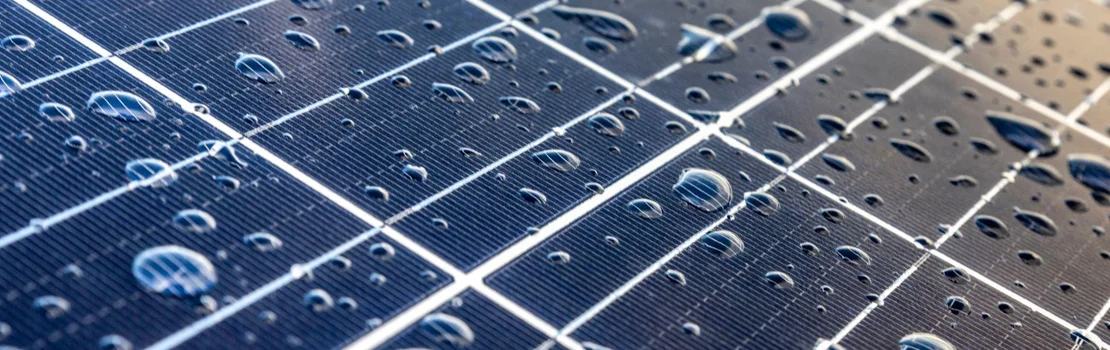
Early-morning condensation may form on the surfaces of solar panels. This is generally harmless and evaporates quickly once the sun rises.
Fun fact: Light rain and condensation can actually help wash away dust buildup, debris, and even bird droppings!
Long-Term Moisture Degradation (Rare)
Over many years, cheap, poorly manufactured panels can experience a phenomenon called “potential-induced degradation”, which is worsened in hot, humid climates. However, reputable brands design their panels to resist PID, especially for tropical regions like Queensland.
EXTRA: The Salt Air Factor
For homeowners living near the ocean in coastal Queensland, salt mist is often a greater concern than humidity.
Salt can accelerate corrosion in mounting hardware, electrical connectors, and inverter casings
High-quality systems use marine-grade components designed for coastal conditions, so if you live within a few kilometres of the coast, ensure your installer uses corrosion-resistant mounting systems and salt-mist-certified panels.
Maintenance Tips for QLD Homeowners
Queensland’s climate makes regular inspection and maintenance more important than in drier states. Here are some essential maintenance tips for QLD homeowners looking to get the most out of their solar panel performance and lifespan.
Schedule Periodic Inspections
A professional inspection every 1 to 2 years can check for corrosion, loose wiring, or water ingress. This way, signs of impending issues can be mitigated and addressed before any damage occurs.
Keep Panels Clean
Heavy rainfall usually keeps panels clean, but if you’re in a dusty or coastal area, occasional professional cleaning may improve performance. Don’t get on the roof by yourself, though; call a professional!
Monitor Performance
Tracking your energy output ensures any unusual drop is addressed quickly. Most systems now include app-based monitoring, so any anomalous activity can be inspected in person.
Note: For any urgent concerns or emergency support, feel free to use our Solar Power Service and Support Centres. Even if you purchased your solar power system elsewhere, we can provide service and support without affecting your system's warranty. We can even assist you with your warranty claim! Get in touch!
CASE CLOSED: Does Humidity Damage Solar Panels?
When properly installed, solar panels in Queensland still last 25 years or more, even in humid conditions. Most tier-one manufacturers provide 25-year performance warranties tailored to diverse global climates, including tropical regions.
The key factor is not humidity but system quality and installation standards.
Bottom Line: Should Humidity Concern QLD Homeowners?
Humidity alone does not damage solar panels. Modern systems are engineered to withstand high moisture levels, heavy rainfall, and Queensland’s subtropical climate.
However, exposure to coastal salt, poor installation, or low-quality components can increase long-term risk. Investing in a high-quality system, ensuring correct installation, and scheduling routine maintenance will protect your solar investment for decades.
For Queensland homeowners, the sunshine still far outweighs the humidity, and solar remains one of the most reliable ways to reduce energy bills and increase property value.
Do you live in humid Queensland, and are you ready to start your solar journey with rooftop panels, solar batteries, and solar hot water?
Contact us at Solargain to get a quote today!
