
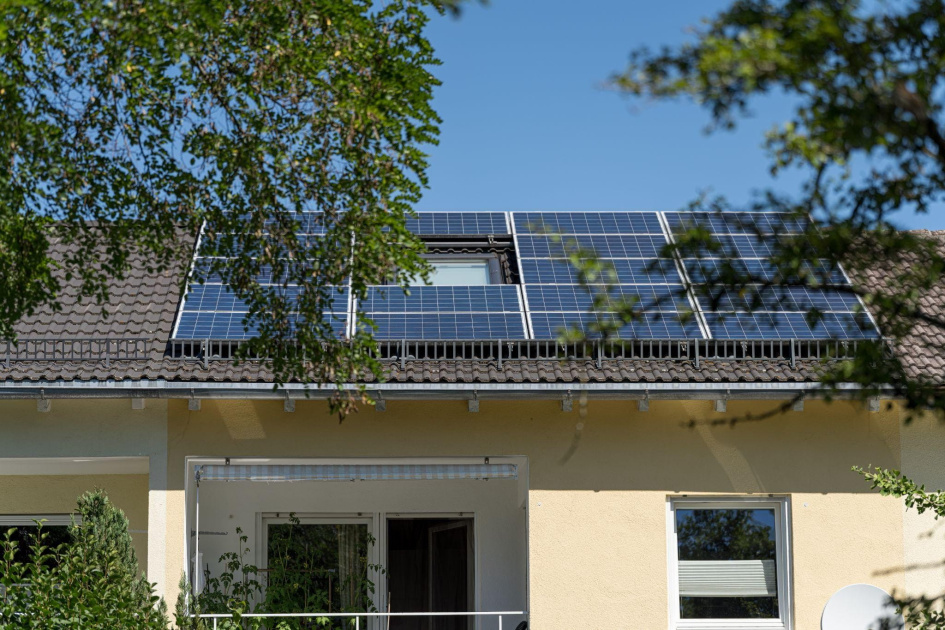
Installing a rooftop solar panel system is a significant investment, so naturally, you want it installed correctly from day one. While modern solar panels and inverters are designed to last for decades, even the highest-quality equipment can underperform if the installation itself is rushed, poorly planned, or completed without attention to detail.
Over the years, we’ve been called out to inspect and rectify countless solar installations that weren’t completed to the best standard. From poor waterproofing and incorrect panel mounting to unsafe wiring and inefficient system layouts, many of these issues could have been avoided with proper installation practices put in place the first time around.
In this article, we look at some of the most common solar installation mistakes we encounter while on the job, the problems they can cause, and how professional installers like our team ensure your solar system operates safely, efficiently, and reliably for years to come.
Common Solar Installation Mistakes We’re Called In to Fix
From improper panel installation to leaking roofs and shade-sabotaged inverters, here are some of the most common solar installation mistakes we are often called in to fix.
Poor Roof Penetrations & Waterproofing
There’s more to installing solar panels than simply screwing them to a roof. In fact, a proper solar panel installation depends on installing various support systems and prepping the roof site itself.
Some installers will rush and fail to adequately prep the site, forgo installing fit-for-purpose clamping and railings, and simply “attach” the panels to the roof itself. This spells disaster since, without properly installing the necessary anchoring technology, panels will weigh more on the roof, be more easily lifted, and be damaged more easily.
Similarly, some installers will ignore waterproofing at the site, creating new zones where water ingress and moisture accumulation can occur. Heavy panels installed directly against a roof, with new areas for rain and humidity to leak into, will surely cause trouble.
How We Fix
We always ensure that cable entries and mountings utilise the necessary waterproof components and weatherproof seals to keep electrical components safe and properties dry.
Incorrect Clamping Spacing
A correct layout is critical for installing solar panels on a rooftop. There is limited space available, so ample planning must be done to ensure that panels not only fit with enough room, but that their installation components also have ample space.
As mentioned earlier, one of the most important parts of a panel installation is the clamping. The clamps are one of the ways panels stay physically attached to the roof, and they must be properly zoned and spaced with their rails to ensure all panels are secured in place.
Too many times have we inspected a rooftop solar system only to find that the clamps are incorrectly spaced. Clamping that is too close to the panel edges or too central can jeopardise the panel’s integrity, allowing too much flex in the wind or, worse still, lifting it off the roof altogether.
How We Fix
When presented with incorrectly spaced or installed clamping, we ensure to follow the manufacturer’s guidelines on where the clamping rails should be secured and amend them where needed.
Improper Wiring & Cable Management
Solar systems are complex electrical systems that require extensive wiring and cabling to generate and store power. As such, it is important that all critical wiring and cables are properly installed, laid, and organised to avoid future complications and allow for easy access and maintenance when required.
It can be easy for some installers to care less about wiring and cable management in the grand scheme of things, but at the end of the day, keeping everything neat and tidy is as important as installing the panels themselves. If it’s a mess up there when it gets installed, then it will be a mess when panels need to be fixed or oversized down the line… a headache now will be a headache then.
Also, using the most appropriate wires and cables is crucial; you can’t just use whatever cables you find lying around! They need to be UV-resistant and weatherproof to keep up with the panels over the years.
How We Fix
We always use UV-rated conduit, wires, and cables, and ensure proper wire gauges, torque, and spacing for all connections to meet exact specifications.
Shading & Panel Placement
One of the most common solar installation mistakes we come across is poor panel placement. While it might seem straightforward to place panels wherever there is room on the roof, overlooking potential shading issues can significantly impact system performance.
Trees, neighbouring buildings, chimneys, antennas, and even roof features such as vents can cast shadows across panels at different times of the day. Because solar panels operate as part of a connected system, even partial shading on a single panel can reduce the output of an entire string.
How We Fix
Before any installation, we carefully assess roof orientation, surrounding structures, and potential seasonal shading impacts. We optimise panel placement to maximise sunlight exposure throughout the day and recommend solutions such as panel-level optimisation where appropriate.
Installing Solar Inverter in Direct Sunlight
Your solar inverter is the heart of your solar system, converting the DC electricity generated by your panels into usable AC power for your home. However, many installations place inverters in locations that are constantly exposed to direct sunlight, which is very bad.
Excessive heat is one of the biggest enemies of inverter performance and longevity. When an inverter becomes too hot, it may automatically reduce its output to protect itself, leading to lower system efficiency.
Over time, prolonged heat exposure can also shorten the lifespan of critical internal components. Unfortunately, we’ve visited many homes where the inverters were mounted on west-facing walls or in exposed areas, with little consideration for temperature management or seasonal changes.
How We Fix
We always assess the most suitable inverter location before installation. Where possible, we install inverters in shaded, well-ventilated areas that allow for adequate airflow while remaining easily accessible for servicing and maintenance.
Choose a Solar Installer That Gets It Right the First Time
As these examples show, even seemingly small solar installation mistakes can lead to big problems over time, such as reduced system performance, costly repairs, and even water damage.
The quality of your solar installation is just as important as the quality of the panels and inverter being installed.
At Solargain, our experienced installers follow strict industry standards and manufacturer guidelines to ensure every solar panel installation is completed safely and efficiently the first time. If you’re considering a new solar system or want an expert assessment of an existing installation, we’re here to help!
Are you ready to get the most from your solar investment? Contact us at Solargain today for trusted advice, professional solar installation services, and tailored solar solutions designed for Australian homes and businesses.
