
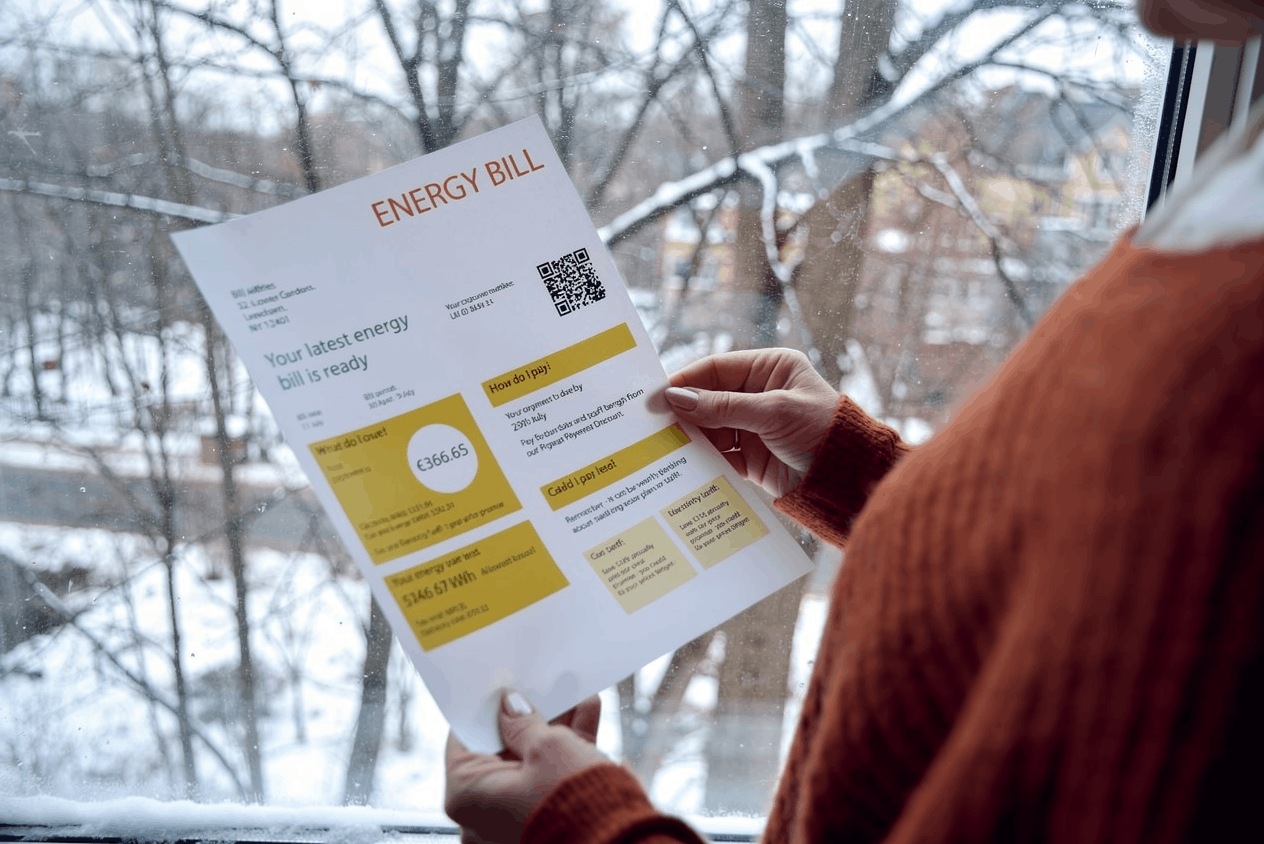
It can be a disheartening sight: in the middle of a long, bitter winter, you receive a high electricity bill only six months after installing your new rooftop solar panels. What could this mean? Wasn’t installing solar supposed to be one of the most effective ways to save money?
Do not worry – you’ve done nothing wrong! Solar is one of the most effective and easiest ways to save money in the long term, but it takes time to earn it back. So although you will not see a $0 energy bill right away, other factors explain your high winter energy bill: how much solar your system produces in winter and your household’s electricity habits.
If your energy bill is still high during winter despite having solar, don’t worry: you’re not alone! Understanding your winter energy usage can show whether you need to change habits, improve your system, add a battery, or have your solar system inspected. Here are some reasons why your bills remain high and how to fix them!
Your Solar Panels Produce Less Energy in Winter
Winter can be one of the most ineffective times for solar panels. Solar panels tend to generate less energy in winter; they won’t stop working outright, but their energy output can change. Solar performance can also vary depending on where you live, so whether you already have solar panels in Canberra or live elsewhere in Australia, understanding your local conditions and household energy needs is important when assessing your winter electricity costs.
Generally, solar panels operate at peak efficiency in summer and see a slight dip in winter. Because of winter conditions, daily solar generation is usually lower than in summer.
Shorter Daylight Hours
In winter, there is less sun exposure during the day, leading to shorter daylight hours. This happens because the part of the Earth where Australia sits tilts away from the sun. This tilt keeps the sun low and makes it take a shorter path across the sky.
In Australia, this peaks at the winter solstice around June 21, bringing the fewest daylight hours and the longest night of the year. This limits the hours sunlight is available for solar generation. Winters can be dark, and more darkness means less sunlight and less energy generation.
Lower Sun Angle
Shorter winter days also mean the sun hangs at a lower angle. Proper angle alignment is critical when installing solar panels. The sun is most powerful when at its highest point around midday, providing the most solar energy.
During the winter, the sun’s lower angle creates a lower midday sun path, leading to those shorter days and less intense solar radiation. If solar panels aren’t installed at the right angle to account for this peak positioning, then they won’t be as effective. But by default, during the winter, solar panels aren’t exposed to as much sunlight during the day or at an optimal angle.
More Overcast and Rainy Days
Winter is also known for cloudier days and heavy rain. Rain is not bad for solar panels; most are waterproof, and rain can help keep them clean. However, bad weather can reduce generation, and months of dark skies and heavy rain can cut precious UV time.
All these winter conditions, and more, can affect the efficiency of your solar panels, the amount of energy they generate, and how high your winter energy bills may remain.
Your Household Uses More Electricity During Winter
Your solar panels are only half the story. Households typically use more electricity in winter, resulting in higher bills. While solar panels offset some costs, your winter household habits can still drive prices up.
Heating Becomes a Major Draw.
For most households, heating is one of the biggest reasons electricity use climbs during winter, along with bills. People usually spend more time indoors during the winter to stay warm. As temperatures drop, your heating system may run for several hours a day, particularly in the morning and evening when your solar panels are producing little or no electricity. The longer they run, the more electricity your household needs, and once your solar generation is no longer covering that demand, the extra electricity comes from the grid.
More Lighting is Used in the Morning and Evening.
Winter means there is less natural light available throughout the day, so indoor lights tend to be switched on earlier in the morning and stay on later in the afternoon and evening. On their own, household lights generally aren’t responsible for a huge electricity bill, particularly if you have energy-efficient LED lighting. However, lighting is another example of how winter can shift your electricity use to times when your solar panels generate the least energy.
Hot Water Demand can Increase.
Hot water is another household expense that can become more noticeable during the colder months. Showers may be longer, water takes longer to heat, and households can simply use more hot water when the weather is cold. If your hot water system runs on electricity, then it may be time to consider upgrading to solar water heating, since this can directly impact your energy consumption and add to your growing winter energy bill.
How to Reduce Your Winter Electricity Bill With Solar
While you won’t have any control over shorter winter days, cloudy weather, or the position of the sun, there are several things you can do to get more value from your solar system and reduce your reliance on grid electricity. Start with your household’s energy habits, then consider whether your existing solar setup is still meeting your needs. By adopting a few good habits, you may start to see your solar savings increase while your power bills decrease.
* Use more electricity during daylight hours: Run your washing machine, dishwasher, dryer, pool pump, and other energy-intensive appliances while your solar panels are generating electricity. This allows you to use more of your own solar power instead of drawing from the grid.
* Adjust your heating habits: Heating can be one of your home's biggest electricity users during winter. Use timers where possible, avoid unnecessarily high thermostat settings, and consider heating occupied areas rather than the entire home.
* Make the most of daytime solar for hot water: If your electric hot water system can be programmed or controlled, consider scheduling its heating cycle during the middle of the day. This can allow your solar system to contribute more towards heating your water.
* Check your solar generation: Use your inverter's monitoring system or app to keep an eye on how much electricity your panels are producing. A significant or unexpected drop in generation could indicate an issue that needs professional attention, so consider booking an appointment with your installer to have your system serviced.
* Consider adding battery storage: If your household uses most of its electricity in the evening, solar battery storage can help store excess solar energy generated during the day for later use. This can be particularly useful during winter when heating, cooking, and other household activities often increase after sunset.
* Consider expanding your solar system: If your electricity consumption has increased since your panels were installed, your existing system may no longer provide enough generation to cover as much of your usage. An assessment can determine whether additional panels, panel oversizing, or another system upgrade would be worthwhile.
Get More From Your Solar This Winter with Solargain
A high winter electricity bill doesn’t necessarily mean your solar system isn’t working as it should. Seasonal changes, increased household energy use, and the timing of your electricity consumption can all affect how much you save. If you’re unsure whether your current solar system is keeping up with your household’s needs, the team at Solargain can help.
From solar system assessments and monitoring to batteries, solar hot water, and system upgrades, Solargain can help you find a solution that makes better use of your solar energy year-round. Get in touch with us today to find out how you can reduce your winter electricity costs and get more from your solar system!
