
As renewable energy becomes an increasingly important part of Australia’s energy landscape, multiple government programs have been introduced over the years to make it easier for households and businesses to make the switch. The Small-Scale Renewable Energy Scheme (SSRES) is one such initiative, designed to help reduce the upfront costs of installing solar panels, solar batteries, solar water heaters, and other small-scale renewable systems.
In this guide, we will break down the differences between schemes, rebates, and grants while explaining how the SSRES works. By the end, you’ll have a clearer understanding of the government incentives available to property owners today that help make the transition to solar systems and renewable energy as simple and cost-effective as possible.
The Differences between Schemes, Grants, & Rebates
It is important to understand what a scheme is, along with the differences between schemes, grants, and rebates offered by local, state, and federal governments. Different states may use their own language, so here is a brief explanation of all three.
What Is a Scheme?
A scheme is a government-led program aimed at encouraging people to invest in certain initiatives. The federal Small-Scale Renewable Energy Scheme hopes to help property owners invest in various small-scale renewable energy solutions across the nation.
Schemes may combine other state and federal incentives, like upfront rebates, feed-in tariffs, and more. There have been many schemes introduced across Australia over the years, such as the SA Home Battery Scheme and the ACT Sustainable Household Scheme , which both helped residents pay for the installation of new solar PV home battery systems.
Schemes are prone to change but generally last for a few years in the hopes of getting as many people signed on as possible. Depending on someone’s situation, they may qualify for both a federal scheme as well as any combination of state rebates or grants.
Rebates versus Grants
A rebate, on the other hand, is a form of government-funded financial assistance that often reduces the cost of essential services, such as electricity and gas. Rebates are often applied as credits on bills aimed at lowering living and operating costs for households and businesses, like the Victorian Solar Power Rebate and the Federal Battery Rebate in Western Australia , which are both intended to help refund some of the out-of-pocket costs for first-time solar installations.
Whereas a rebate is a partial refund for services, a grant is a sum of money given for a specific purpose, like innovation and infrastructure, with no expectation of repayment. Grants can be offered by the government at the state, local, and federal levels, like the NSW Solar for Apartments Residents Grant .
If you are unsure which schemes, grants, or rebates you may qualify for, please feel free to contact our team of solar experts to help you explore your options. All three options are available to property owners simultaneously, so there’s no reason why you should ever feel compelled to resort to settling for cheap solar.
What is the Small-Scale Renewable Energy Scheme (SSRES)?
The Small-scale Renewable Energy Scheme (SSRES) is an Australian government initiative that encourages investment in small-scale renewable energy. It provides incentives to households and businesses to install small-scale renewable energy systems like rooftop solar, solar batteries, and solar water heaters. The SSRES is available to residents in all states and territories and is administered by the Clean Energy Regulator .
Households and small businesses that opt to install a small-scale renewable energy system or hot water system, such as solar, wind or hydro, may be able to receive a benefit towards the purchase cost. Installing an eligible system allows the creation of small-scale technology certificates (STCs) with a value that can be redeemed by either selling or assigning them.
For hot water and heat pumps, the number of STCs is best determined by going to the REC registry website and putting in the details of the system, as they maintain the most up-to-date catalogue of information. For solar panel installation, the following formula is used to calculate STCs, which factors in system size, location, and when it is installed:
STCs = System Size (kW) x Zone Multiplier x Deeming Period
Which Solar Installments Qualify for SSRES?
By installing an eligible renewable energy system, you can lower your energy bills, reduce your carbon footprint and earn financial incentives. Here are the eligible installments that currently qualify for the Small-Scale Renewable Energy Scheme.
Rooftop Solar Panels
If you want to install a rooftop solar panel system at your home or business, you might be able to receive an upfront discount on the purchase of your new system. Under the Small-scale Renewable Energy Scheme, eligible systems installed by accredited installers can claim STCs, which can be traded or sold for additional revenue.
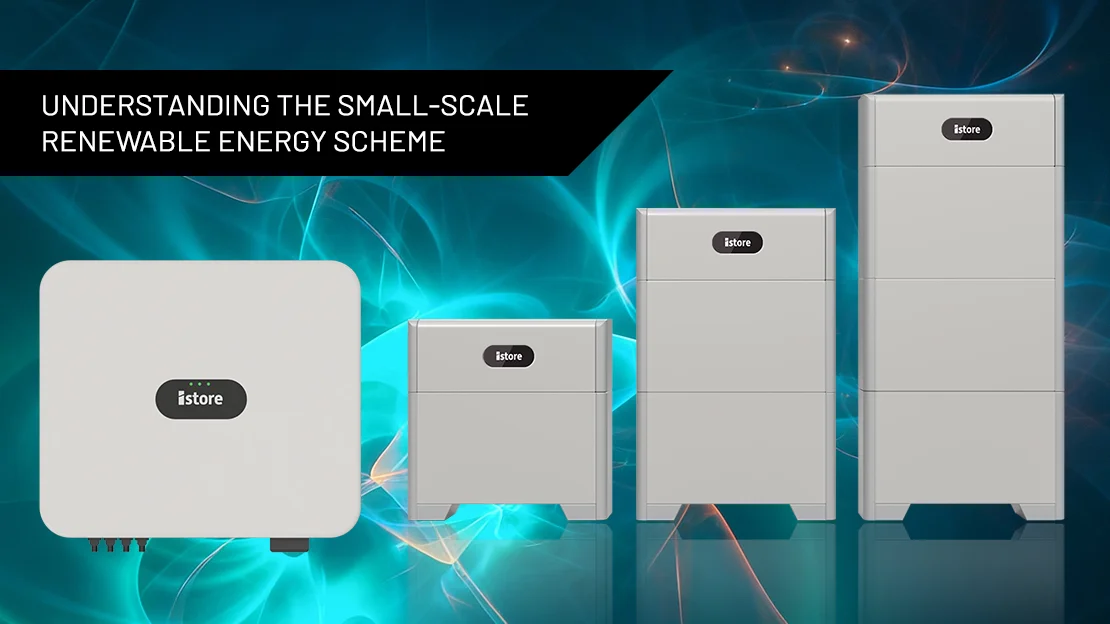
Solar Batteries & Inverters
If you want to install a solar battery at your home or business, you may be able to get a discount on the purchase price. The Australian Government will fully fund the discount for solar batteries by purchasing the equivalent amount of solar battery STCs from the STC clearing house, meaning no costs will be passed on to householders through energy retailers.
Solar Hot Water Heaters
Electrical water heating is one of the biggest sources of greenhouse gases for Australian households. It produces almost a quarter of household emissions in one year alone. Renewable hot water systems can help save money on electricity bills compared to an electric hot water system, and if you want to install an eligible water heater system at your home or business, you may be eligible to claim STCs through the Small-Scale Renewable Energy Scheme.
Why Government Schemes are Important for Solar
Government schemes can be very beneficial for commercial and residential property owners. They can help remove financial barriers to help accelerate the adoption of renewable energy products, support local industries with sustainable transitions, and reduce household energy costs.
For property owners, leveraging these programs is often the smartest and most cost-effective way to invest in solar and begin earning money back with their own reserve system energy paybacks . All of this comes together to help drive Australia towards a cleaner, greener future.
Take the Next Step Towards Solar Savings with Solargain
Understanding the Small-Scale Renewable Energy Scheme and other government incentives in your state is the first step towards making renewable energy both more affordable and accessible. By taking advantage of available schemes, rebates, and grants, property owners can substantially reduce installation costs, lower their energy bills, and contribute to a more sustainable future while earning money back over time.
If you’re ready to explore your solar options, our team of solar experts can guide you through the process, from identifying the incentives you qualify for to selecting the right system for your home or business. Don’t miss out on the opportunity to save money, reduce your carbon footprint, and invest in energy independence all at the same time.
Contact us to start your solar journey and make the most of government-supported renewable energy incentives today!
