
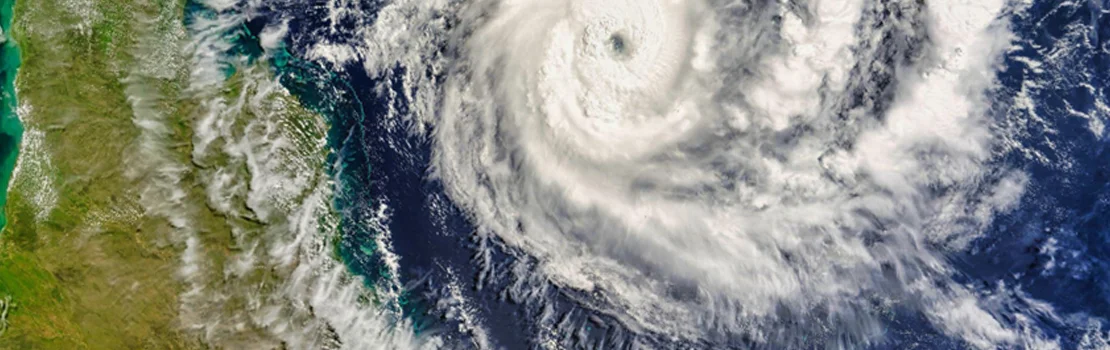
Queensland is one of Australia’s best locations for solar power, with abundant sunshine and strong year-round energy-generation potential. However, for homeowners in coastal and northern regions, cyclone season introduces a different set of considerations.
From intense winds and heavy rainfall to airborne debris and salt exposure, extreme weather can raise concerns about how well solar systems hold up over time. The good news is that modern solar panels are built to perform in harsh conditions—provided they are designed and installed to suit Queensland’s climate.
In this guide, we’ll explain how cyclones can impact solar systems, what risks to be aware of, and how to ensure your investment is built to last.
Understanding Cyclone Risks in Queensland
Cyclones are a regular part of life in northern and coastal Queensland, particularly between November and April. Generally speaking, areas such as Cairns, Townsville, Mackay, and even parts of Central Queensland are more exposed to severe weather systems than the rest of the state.
While installing and maintaining solar panels is not impossible in cyclone-prone countries, there are certain concerns homeowners should keep in mind. Cyclones can bring a combination of environmental stressors that impact rooftop systems, including:
- Extreme wind speeds that can exceed 200 km/h
- Heavy rainfall leading to water ingress risks
- Flying debris that may damage panels or mounting systems
- Salt-laden air in coastal regions, accelerating corrosion
While these conditions sound severe, properly installed solar systems are designed with these risks in mind and should present major complications only in rare instances.
How Solar Panels Are Built for Cyclone Conditions
High-quality solar panels and mounting systems are engineered to withstand extreme weather, including cyclonic winds. Here are some ways Solargain-installed solar panels are well-equipped to withstand the climatic conditions of far north Queensland. However, not all systems are created equal.
Wind load ratings
Solar panels undergo rigorous testing to meet Australian standards, including wind load ratings. Premium panels are typically rated to withstand wind pressures equivalent to cyclonic conditions when installed correctly.
Mounting systems matter most
The mounting system is often the most critical factor in cyclone resilience. A secure system includes the following:
- Cyclone-rated brackets and rails
- Proper roof anchoring into structural beams (not just tiles or sheeting)
- Corrosion-resistant materials such as anodised aluminium or stainless steel
Often, poor mounting—not the panels themselves—is the most common cause of damage during extreme weather events.
Compliance with Australian standards
In cyclone-prone areas, installers must follow stricter guidelines, including compliance with AS/NZS 1170.2 (wind load design standards), local council requirements for cyclone regions, and site-specific engineering assessments. Choosing a local, experienced installer like Solargain ensures your system is installed and maintained compliantly and built to last for many years.
Installation Quality Is King
Now, not all solar panels are the same. Even the best solar panels can fail if they’re not installed properly. In cyclone regions, installation quality becomes even more critical.
Key Installation Considerations
- Roof type assessment (tile, metal, or flat roofs require different approaches)
- Correct spacing and layout to reduce wind uplift
- Secure cable management to prevent exposure or damage
- Waterproof sealing around penetrations
A reputable installer will conduct a detailed site inspection before installation to account for these factors.
Coastal vs Inland Queensland: What’s the Difference?
Not all cyclone risks are the same across Queensland. Your location within Queensland can influence the type of system you need.
Coastal Areas
Homes near the coast face additional challenges, such as:
- Salt spray that accelerates corrosion
- Stronger and more frequent wind exposure
- Higher humidity levels
Systems installed in these areas should use marine-grade components designed for long-term durability.
Inland Areas
Inland regions may experience:
- Reduced salt exposure
- Storm-related wind and rain events
- Dust and debris accumulation
While conditions are generally less aggressive than coastal environments, proper system design is still essential.
Can Solar Panels Be Damaged in a Cyclone?
While rare, solar panel damage can occur during a cyclone, usually due to poor installation or substandard components rather than the panels themselves. Well-installed systems using high-quality materials are highly unlikely to fail, even in extreme weather.
Common Causes of Damage
- Inadequate mounting or loose fixings
- Low-quality brackets or rails
- Improper roof attachment points
- Debris impact during severe storms
Maintenance Tips for Cyclone-Prone Areas
Regular maintenance plays a key role in ensuring your system remains secure and efficient over time. Here are some practical maintenance tips homeowners can implement to protect their solar panels as much as possible throughout the year.
Before Cyclone Season
Schedule a professional inspection. Check for loose panels or mounting hardware and ensure no corrosion is developing on brackets or frames
After Severe Weather
Visually inspect panels from the ground. Monitor system performance for any sudden drops and contact a professional if anything appears damaged.
Ongoing Care
Clean panels if debris buildup occurs. Keep nearby trees trimmed to reduce debris risk and use monitoring apps to track system output.
Insurance and Solar Systems in QLD
Most home insurance policies in Queensland cover solar systems as part of the property, but it’s important to confirm the details. Here are some insurance considerations to keep in mind when deciding to install solar panels on your Queensland home.
What to Check
- Coverage for storm and cyclone damage
- Whether solar panels are included in the replacement value
- Any exclusions related to installation quality
Ensuring your system is installed by a certified professional can help avoid claims issues and protect your warranty.
Bottom Line: Solar Still Makes Sense in Cyclone Country
Cyclones are a reality in Queensland, but they shouldn’t deter you from investing in solar.
Modern solar systems are built to withstand harsh conditions, and when installed correctly using cyclone-rated components, they can deliver reliable performance for decades.
The key lies in choosing high-quality products, working with experienced installers, and maintaining your system over time. For Queensland homeowners, the benefits of solar—lower energy bills, energy independence, and long-term savings—far outweigh the risks when the system is designed for local conditions.
Ready to Install Solar in QLD?
If you live in a cyclone-prone area, it’s essential to work with a provider who understands the unique demands of Queensland’s climate.
Solargain offers expertly designed solar systems built for Australian conditions, including cyclone-rated installations tailored to your home and location.
Get in touch with our team today to get a free quote and take the first step towards a safer, smarter solar investment.
