
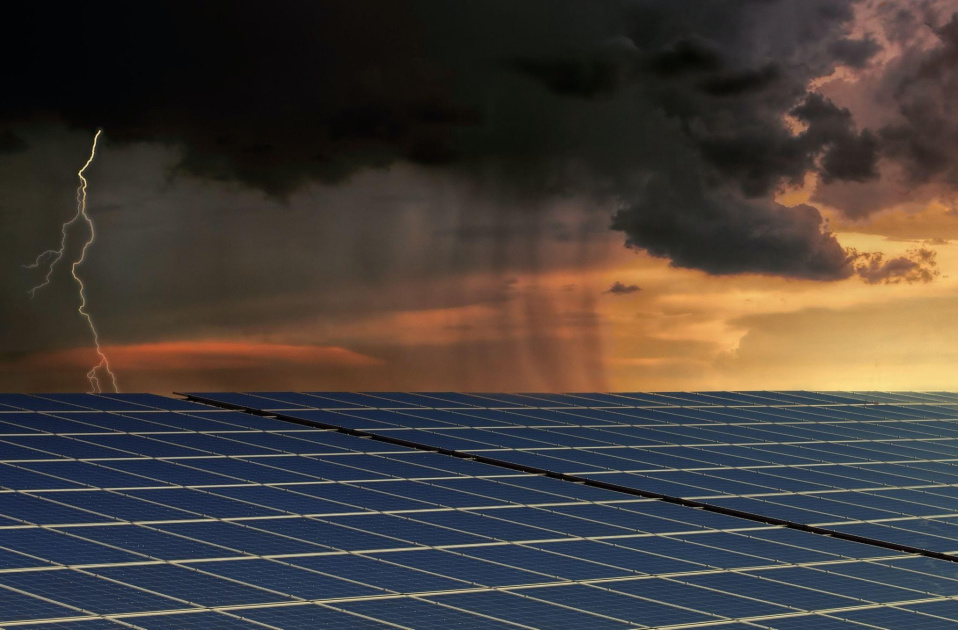
Should You Turn Off Solar During Severe QLD Weather?
Queensland is a state known for its bountiful sunlight, making it an ideal place for solar in Australia. Queensland homeowners often enjoy nearly year-round sunny weather and an agreeable climate.
But unfortunately for the Sunshine State, storms are also quite frequent, both along the coast and inland. Residents can usually expect at least 3 cyclones or more a year in certain areas, and torrential rain and flooding are also likely during the wet seasons.
Inclement weather is a given in Queensland, and, more often than not, premium solar panels installed by a professional installer are well-equipped to handle storms. But is it a good idea to turn off your solar panels in QLD during severe weather conditions?
Whether preparing for a cyclone or bearing the brunt of high winds and torrential rain, it’s worth knowing when and if you should turn off your solar panels when the skies are grey. Here is everything you need to know about what to do with your solar panels during a severe storm.
Severe Weather Season in QLD
Rain, flooding, heatwaves, oh my! Dramatic weather is a regular part of life in QLD, especially in the coastal regions and in the far north, with more extreme conditions occurring during specific seasons. Severe weather can be expected during the regular cyclone and wet seasons, but even more so nowadays, as weather patterns can be unpredictable.
Queensland’s cyclone season officially runs from 1 November to 30 April, although cyclones can occur at other times. This is why it’s important for QLD households and their communities to be prepared year-round, since high humidity and tropical storms can form at any time, even without graduating into a cyclone.
Why Shutting Down Solar in Severe QLD Weather Matters
Solar panels are manufactured to withstand harsh weather conditions, but they are not indestructible. Cyclones can unleash strong winds that can cause flying debris and fire hazards if isolators are damaged.
This puts homeowners and emergency service workers at risk. The risk of damage and fire hazards makes it necessary to know how to turn off the solar in a cyclone.
So, yes, you should manually turn off your solar system during severe weather, such as a cyclone. But the real question may be: when should you turn off your solar during severe weather?
When Should You Turn Off Your Solar During Severe Weather?
Professionally installed solar panels constructed using high-quality parts are durable enough to withstand most storms, hail, and rain. In fact, a bit of rain can actually be good for cleaning solar panels!
So while rainwater itself won’t pose a direct threat to solar panels, other storm elements can. Solar PV systems can be damaged by flying debris, roof damage, inundation by rain or floodwater, or residual moisture after a severe weather event.
Any damage to a solar system can create a life-threatening electrical hazard. It is essential for homeowners to be aware of local weather warnings and to be vigilant should they need to act to protect their property and themselves.
Here are some general guidelines for preparing for and responding to severe weather when it hits your home and solar panels.
Before Severe Weather
If severe weather is forecast, such as a cyclone or dangerous winds, you should consider shutting down your solar system in advance. It won’t be safe to try to shut it down manually at the box when the storm starts, so turning it off at least 1 hour in advance is best practice.
Listen to your local radio station to stay ready with regular updates about the incoming storm.
How to Safely Turn Off Your Solar System
Knowing how to turn off solar before a storm can prevent damage from electrical faults or power surges caused by flying debris or high winds. Every solar system is different, so it is important to check your manufacturer’s instructions.
Here are some general steps on how to turn off your solar before severe weather:
- Check the shutdown procedure label provided during installation.
- Switch off the solar supply main switch at the switchboard.
- Switch off the rooftop isolator if safely accessible before the cyclone.
SAFETY NOTE: Never climb on top of the roof during a storm!
During Severe Weather
If your solar system is still operating during a severe storm, turn it off from the electricity mains or via WiFi, but only if it is safe to do so. Do not try to operate or touch the solar PV system.
Wait it out!
You should treat it as live, dangerous, and stay away until the storm has passed, especially if it has been damaged. When in doubt, call a professional.
After Severe Weather
Once the severe weather has cleared, you should assess the site to ensure your system has not been damaged. If everything seems fine, then you can turn the solar system back on.
If there is damage or things are not working as they should, be sure to document it all and turn off the system. Then you should get in touch with your local solar installer to inspect and perform any required maintenance.
Protect Your QLD Solar Investment with Solargain
Queensland’s severe weather can arrive quickly but often not without warning! With the right preparation, your solar system can continue to deliver reliable performance and offset electricity even during the roughest rainy seasons.
The key is to stay informed, follow local weather warnings, and have your system inspected if you suspect any storm-related damage. A professionally installed solar system is built to handle most of Australia’s extreme conditions, but regular maintenance and expert advice are essential for long-term peace of mind.
If you’re unsure whether your solar system is storm-ready, or you'd like expert guidance on solar panel safety and maintenance, contact the team at your nearest Solargain. Our experienced solar specialists can assess your system, provide advice on severe weather preparedness, and help ensure your solar investment continues to perform safely and efficiently through whatever weather Queensland throws at it!
Contact us at Solargain to get a quote today!
